Although many smaller premises won’t fall under the legal requirements of Martyn’s Law (The Terrorism (Protection of Premises) Act 2025), helping your customers to protect their staff, customers and visitors is always good practice.
If your customers manage a smaller venue with an expected capacity of fewer than 200 people, they aren’t currently legally required to implement the measures set out in the Act. Regardless, many organisations are already taking simple steps to improve their emergency preparedness and strengthen their overall security.
Smaller premises may include:
✓ Independent retailers
✓ Cafés, pubs and restaurants
✓ GP surgeries and dental practices
✓ Pharmacies and healthcare clinics
✓ Nurseries and small schools
✓ Community halls
✓ Offices and shared workspaces
✓ Leisure facilities
✓ Visitor centres and small galleries
Simple Measures Can Make a Big Difference
Being able to quickly alert staff, notify visitors or manage access to your premises is essential in an emergency. The right technology can help your customers respond more effectively and provide reassurance to everyone on site.
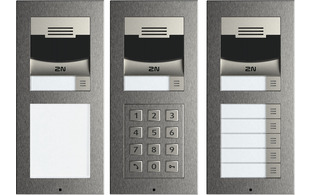
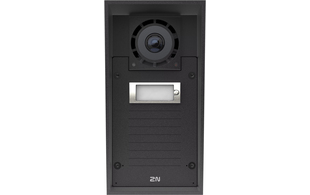
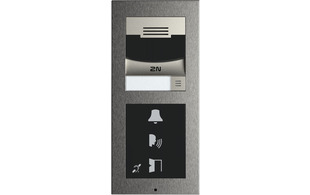
A video intercom that enables staff to verify visitors before granting access. Combining high-quality video, SIP communication and access control in one modular device, it’s ideal for strengthening security.
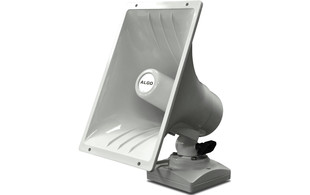
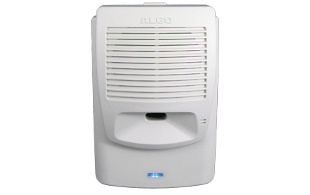
nsure important announcements can be heard clearly outside your premises, whether directing people away from an entrance or communicating during an emergency.
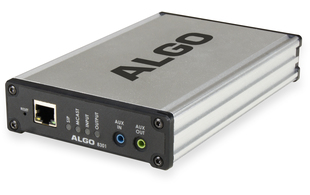
Already have analogue speakers? This allows you to integrate them into a modern SIP paging solution, extending the life of your existing infrastructure while enabling live & scheduled announcements.
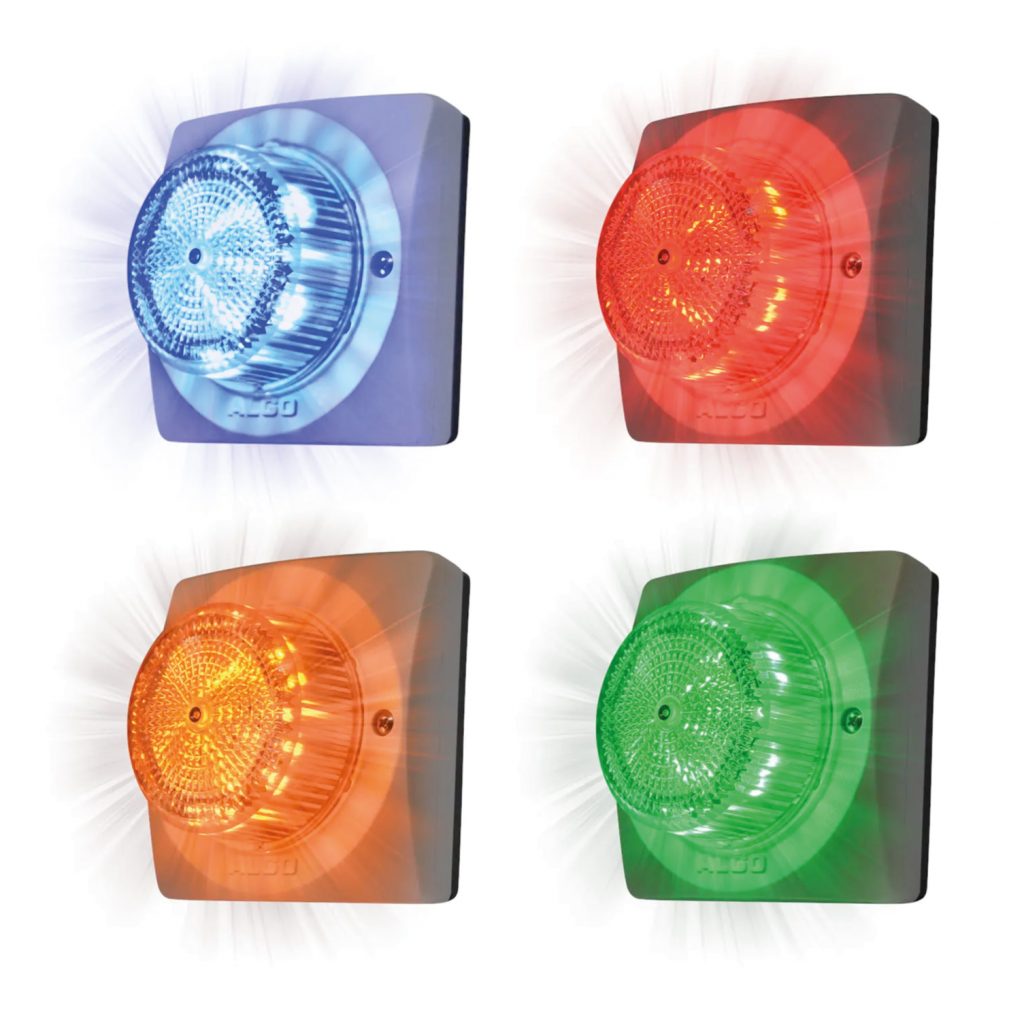
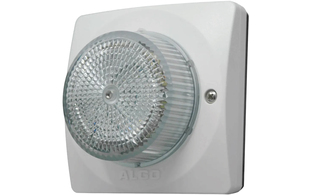
Flashing visual alerts complement audio announcements, helping ensure emergency messages are noticed by everyone, including those working in noisy environments or with hearing impairments.
Preparedness Doesn’t Have to Be Complicated
Martyn’s Law is about having practical procedures that help keep people safe.
Even if your customers’ premises aren’t legally required to comply, reviewing how they would communicate during an emergency, control access to their building and alert occupants can form part of a sensible business continuity and safety plan.
Many organisations are choosing to adopt these measures now, helping improve confidence among staff and visitors while building resilience for the future.
Discover ProVu’s Entire Catalogue
Below are links to all the products we offer that can help your customers to meet the requirements for Martyn’s Law.
Our team can help you identify cost-effective solutions that support your customers’ emergency communication and security strategy, no matter if it’s a new installation or upgrading elements.
Speak to one of our specialists today to discuss how 2N and Algo solutions can help with your security upgrade. Call us on 01484 840048 or email us. Pricing and stock information can be seen on our reseller portal, ProSys.
Martyn’s Law is changing how organisations across the UK prepare for emergencies.
Martyn’s Law: The Standard Tier Requirements
If your customers’ premises can reasonably expect 200-799 people (including staff) on site at any one time, you are likely to fall within the Standard Tier requirements of the Terrorism (Protection of Premises) Act.
This applies to more organisations than many realise, including:
✓ Smaller schools & academies
✓ GP surgeries & healthcare hubs
✓ Dental practices & clinics
✓ Community centres
✓ Libraries
✓ Places of worship
✓ Museums & art galleries
✓ Small theatres & entertainment venues
✓ Leisure facilities
✓ Conference & event spaces
✓ Hotels
What Does This Mean For Your Customers?
Martyn’s Law is about ensuring your organisation has practical procedures in place to help protect staff and visitors should a terrorist incident occur.
Standard Tier premises are expected to have procedures covering:
✓ Evacuation
✓ Lockdown
✓ Moving people to safer areas
✓ Communicating quickly and clearly during an incident
The key word throughout the legislation is preparedness. Having the ability to communicate instantly across your site, control access to buildings and provide clear instructions can make a significant difference during an emergency.Tech That Supports Your Customers’ PreparednessWhile every site is different, reliable communication and access control are central to an effective response.
2N IP Verso 2.0 Modular IP Intercom Secure visitor communication with integrated access control. Ideal for staff entrances, reception areas and controlled access points where visitor verification is essential.
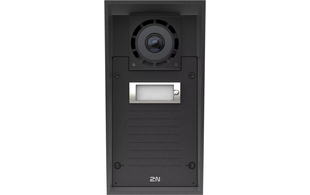
2N Force 2.0 Modular IP Intercom Built for exposed or high-risk entrances, it provides vandal-resistant communication for external doors, service entrances and delivery areas while integrating seamlessly with your wider security systems.
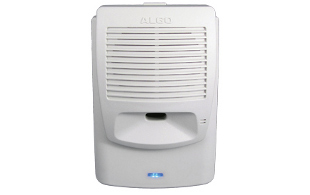
Algo 8180 SIP Audio Alerter Deliver clear audio announcements to specific areas or entire buildings, helping staff communicate evacuation or lockdown instructions immediately.
Algo 8186 SIP Horn Speaker Designed for outdoor use, providing powerful audible alerts across car parks, playgrounds, sports areas and external gathering spaces.
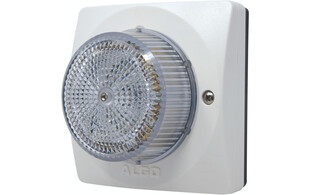
Algo 8138 SIP Visual Alerter Ensures critical alerts are seen too through high-visibility flashing. Ideal for noisy environments and to aid those with hearing impairments.
For organisations looking to coordinate emergency communications across multiple buildings or larger campuses, Fanvil offers powerful command and control solutions.
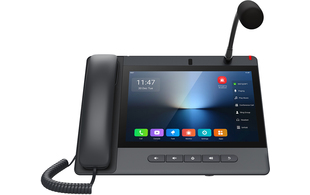
Fanvil A330i Unified Dispatch Console Through a single intuitive interface, authorised staff can monitor incidents, initiate emergency broadcasts, coordinate responses and manage communications across an entire site from one central location.
Fanvil A513W Video Speaker (coming soon) Designed for environments where visual communication and monitoring are important. It can be used as part of a wider emergency communication strategy, providing rapid communication with staff and visitors while integrating into unified SIP-based security and communication systems.
Enhance Your Customers’ Existing Infrastructure
One of the biggest misconceptions surrounding Martyn’s Law is that compliance requires replacing existing systems. In reality, many organisations can enhance their existing telephony, access control and paging infrastructure with IP-based technologies that integrate with their current network, allowing them to improve preparedness without unnecessary complexity.
Start Preparing Today
Although Martyn’s Law is not expected to come into force until 2027, now is the ideal time to review your site’s emergency communication strategy.
Ask your customers:
Could you communicate with everyone on site within seconds?
Can you quickly initiate a lockdown if required?
Are visitors and staff able to receive clear instructions wherever they are?
Do your entry systems support secure access and visitor verification?
Would your teams know exactly what to do during a major incident?
If the answer to any of these is “not yet”, now is the perfect opportunity to start planning.
Talk to our specialists today on 01484 840048 or email us to discuss how 2N, Algo and Fanvil solutions can help your organisation improve preparedness and support your Martyn’s Law planning.
Please note: The products featured can support an organisation’s emergency preparedness strategy but do not, on their own, constitute compliance with Martyn’s Law. Organisations should ensure they understand and meet all applicable legal requirements.
The Terrorism (Protection of Premises) Act 2025, more commonly known as Martyn’s Law is set to change how organisations across the UK think about public safety, preparedness and incident response.
Developed following the 2017 Manchester Arena attack, the legislation has been designed to improve how public premises and events prepare for and respond to potential terrorist incidents. While the law is not expected to come into force until April 2027, many organisations are already starting to ask an important question:
“If an incident happened tomorrow, would we actually be prepared?”
That’s exactly what Martyn’s Law is aiming to address.
In this guide, we’ll take a look at:
What Martyn’s Law is
Which organisations may be affected
The responsibilities businesses may need to consider
How MSPs and resellers can help organisations improve preparedness and resilience
So, What Actually Is Martyn’s Law?
At its core, Martyn’s Law is about helping organisations become better prepared.
The legislation focuses on improving protective security and ensuring businesses have practical procedures in place should a terrorist incident occur. That doesn’t just mean physical security measures either, it also includes communication, staff awareness, incident response and operational resilience.
Importantly, the legislation is not telling organisations they need to buy one specific product or replace all of their existing systems. Instead, it encourages businesses to think about how they would respond during a real-world emergency.
For example:
How would staff communicate during an incident?
Could messages reach people quickly across a site?
Would teams know what actions to take?
Are current systems reliable enough to support emergency procedures?
The overall goal is preparedness, not unnecessary complexity.
Understanding the Different Tiers
Martyn’s Law separates premises into two categories based on the number of people expected to be on site at the same time.
Standard Tier Premises
A premises may fall into the Standard Tier if it is reasonable to expect 200 or more people, including staff to be present at the same time.
Example Premises Include:
Restaurants and bars
Retail stores
Libraries
Community venues
Smaller entertainment spaces
Schools
Standard Tier Expectations:
Notify the Security Industry Authority (SIA)
Have procedures in place for:
Evacuation
Lockdown situations
Moving people to safety
Communicating with people during an incident
Enhanced Tier Premises
Enhanced Tier requirements apply to larger venues or events where 800 or more people may reasonably be expected to be present at the same time.
Example Premises include:
Stadiums and arenas
Large entertainment venues
Universities
Major transport hubs
Large corporate campuses
In Addition to the Standard Tier Expectations:
The same standard tier expectations (as above)
Documented security procedures
Preparedness planning
Reducing vulnerabilities
Providing information to the SIA when required
In short, the larger the venue and the greater the potential risk, the greater the responsibility to demonstrate preparedness.
Who Could Be Affected?
One of the biggest misconceptions around Martyn’s Law is that it only applies to major venues or stadiums.
In reality, the scope is much broader and could affect a wide range of public-facing organisations across the UK.
Potentially affected sectors include:
Hospitality & Leisure
Bars and pubs
Restaurants
Visitor attractions
Museums and galleries
Sports grounds
Stadiums
Education & Childcare
Schools
Colleges
Universities
Childcare settings
Transport & Public Services
Bus stations
Railway stations
Healthcare facilities
Public authorities
Commercial & Industrial Premises
Corporate offices
Shared workspaces
Manufacturing sites
Warehouses
Events & Entertainment
Outdoor ticketed events
Restricted-access events
Entertainment venues
That sounds like a huge list; because it is. But it’s important to remember the intention behind the legislation is to improve public safety and preparedness, not to create unnecessary bureaucracy.
Where MSPs and Resellers Fit In
For many organisations, Martyn’s Law may initially sound like a facilities or physical security issue.
But in reality, preparedness relies heavily on technology too.
If an incident takes place, organisations need to be able to:
Communicate quickly
Reach staff and visitors clearly
Coordinate decision making
Support lockdown or evacuation procedures
Keep critical systems operational
That’s where MSPs and resellers can provide genuine value.
The most important conversations shouldn’t start with products; they should start with how a customer is planning to approach the Act.
Questions like:
How would emergency communications work today?
Are current systems resilient enough?
Could alerts reach the right people quickly?
Are different technologies working together effectively?
Is there a clear response process in place?
From there, organisations can begin identifying where improvements may be needed.
Emergency communication systems
Access control and lockdown integrations
Paging and alerting technologies
Audio and visual notification systems
Business continuity planning
Network resilience for critical systems
Products from Algo and 2N provide powerful IP-based communication solutions that integrate directly into existing network infrastructure, helping organisations modernise emergency notification and Access Control capabilities without requiring entirely separate systems.
Algo’s SIP-based devices are particularly effective for emergency alerting and mass notification environments because they are designed to work across existing VoIP and UC platforms. Audio speakers, paging and visual alerters can be useful to complement access control deployments by automating audio notifications during lockdown events.
2N products can help organisations create secure, network-connected emergency communication points throughout buildings and external areas with their intercom and access control range.
With switches, UPS devices and SIM back-up connectivity with anvil, we can also help you to ensure a resilient connection as part of a compliance continuity plan.
By integrating these technologies into existing systems, MSPs can help customers improve incident response times while maintaining operational visibility.
These technologies can support:
Controlled entry to sensitive areas
Automated lockdown scenarios
Visitor verification procedures
Secure after-hours access
Audit trails for compliance and investigations
Triggering site-wide announcements when a lockdown is initiated
Broadcasting evacuation instructions by zone
Integrating with access control events and security platforms
Providing audible alerts alongside visual warning systems
The real objective isn’t simply compliance; it’s helping organisations become more prepared, more resilient and better equipped to respond during high-pressure situations.
What Happens if Businesses Don’t Comply?
While the final implementation date is still to be confirmed, the obligations within Martyn’s Law will become enforceable once the legislation comes into effect.
Serious or repeated non-compliance could result in:
Monetary penalties
Restriction notices
Criminal offences in certain circumstances
Because of this, many organisations are already beginning to review their procedures and assess where potential gaps may exist.
Useful Resources
The UK Government and ProtectUK have provided a range of useful guidance and resources to help organisations better understand the legislation.
Martyn’s Law is ultimately about encouraging organisations to think ahead, strengthen preparedness and improve public safety.
While physical security is naturally part of that conversation, technology, communication and operational resilience all play a major role too.
For MSPs and resellers, this presents an opportunity to support customers in a practical and meaningful way, helping them understand the challenges, assess their readiness and build confidence in their response procedures long before the legislation comes into force.
Looking for advice on how to approach a project in preparation of Martyn’s Law? Our expert Technical Team are here to help. Simply call 01484 840048 to discuss your customers’ requirements.