Whatever your requirements, we’re here to help. Chat with us today (via 01484 840048 or email contact@provu.co.uk) to discover how we can help enhance your business. From choosing the right hardware through to provisioning, deployment and ongoing management, we’re ready for your call.
In hospitality, the little details can make a big difference. From the moment a guest checks in, to the moment they check out, reliable communication plays an important role in delivering a smooth, memorable experience.
With Snom’s hospitality devices, hotels and accommodation providers can build communication into the guest experience – combining practical functionality with flexibility, branding and ease of deployment.
6 Ways Snom Can Help Improve the Guest Experience:
1. Guest Room Phones
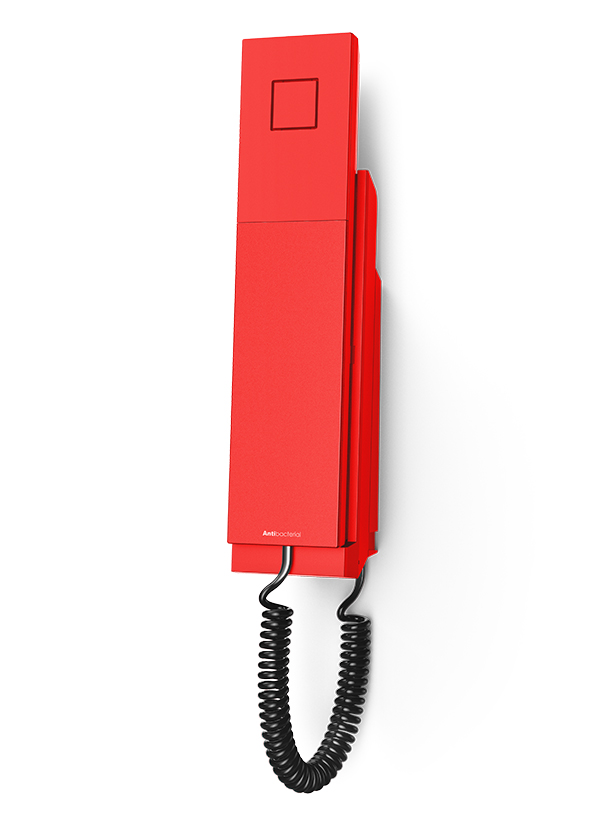
Give guests a simple, familiar way to reach reception, room service and other hotel services. Snom’s range of hospitality-focused phones provides the functionality guests need without adding unnecessary complexity.
2. Stay Connected with Cordless Phones
Whether they’re being used by housekeeping, reception, maintenance or other hotel staff, cordless devices give teams the freedom to stay connected while moving around the property.
3. Integrate with Your Existing Systems
Snom devices can integrate with existing telephony and hotel systems, helping create a more connected communication environment across the property.
With analogue variants available, they can also be seamlessly integrated with legacy systems.
4. Support Emergency Calling
Reliable communication is essential when it matters most. Snom devices can support emergency calling requirements while helping staff and guests quickly access the assistance they need.
5. Put Your Brand at the Heart of the Experience
Hospitality is all about creating a consistent experience. Snom devices offer opportunities for branding.
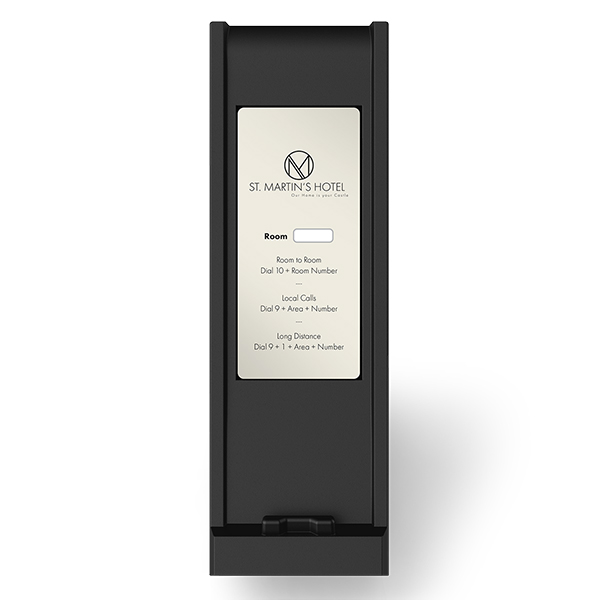
With custom faceplates. These allow hotels to reinforce their identity through guest room communications and dedicated service buttons.
6. Easy to Deploy and Manage
Rolling out communications across a hotel can be complex, particularly across multiple rooms, floors or locations. Snom devices are designed to make deployment straightforward, helping reduce installation time and simplify ongoing management. We can even label devices up for you, so it’s clear where they need to go when they arrive on site!
Communication that works as hard as your hospitality team
From guest rooms and reception desks to housekeeping and emergency communications, Snom’s hospitality solutions can help you create a more connected experience for both guests and staff.
Want to find out more?
Talk to us about Snom’s hospitality range and discover how we can help you find the right devices and deployment approach for your next project.
Snom’s Trusted Partner – For Over 20 Years! Did you know we’ve been working with Snom for over 20 years? As their UK Platinum Distributor Partner we work closely with the Snom team to bring their latest innovations to market while providing the very best services to enhance your deployments.
Get in touch with our team to arrange a free demo of the Snom Hospitality devices. Simply call us on 01484 840048 or email contact@provu.co.uk to get your demo booked in.
As the implementation of Martyn’s Law (The Terrorism (Protection of Premises) Act 2025) moves closer, organisations responsible for premises with an expected capacity of 800 or more people (including staff) should already be reviewing their security and emergency response plans.
If any of your customers manage a:
✓ University or college campus
✓ NHS Trust or major hospital
✓ Theatre or concert venue
✓ Stadium or sports venue
✓ Museum or large art gallery
✓ Exhibition or conference centre
✓ Large place of worship
✓ Major visitor attraction
✓ Civic building or public venue
then it is likely to fall within the Enhanced Tier.
Enhanced Tier Brings Additional Responsibilities
Unlike Standard Tier, Enhanced Tier organisations are expected to demonstrate a more comprehensive and documented approach to protecting people from terrorist incidents.
This includes taking reasonably practical steps to:
✓ Assess the risks specific to your premises
✓ Develop and maintain security procedures
✓ Coordinate response across multiple teams & locations
✓ Control access to buildings and sensitive areas
✓ Communicate with staff, visitors & emergency services
✓ Support evacuation, lockdown & invacuation procedures
✓ Review, monitor & continually improve security
Technology alone doesn’t create compliance, but the right solutions can play a crucial role in supporting these responsibilities.
Build a Connected Security & Communication Strategy
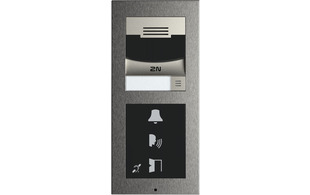
A modular intercom that combines video door entry, credential-based access control and integration with wider security systems. The Licence enables advanced automation and integration with third-party platforms.
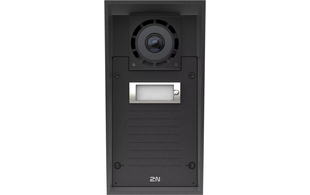
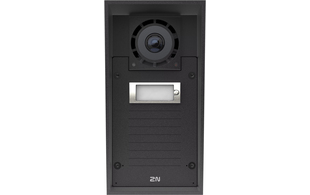
Purpose-built for high-security perimeter entrances, the Force 2.0 delivers vandal-resistant audio and video communication at vehicle entrances, loading bays, staff entrances and public access points.
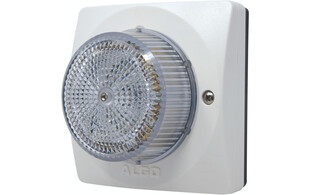
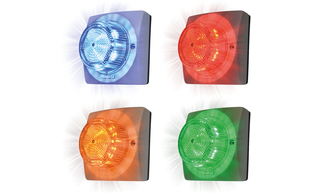
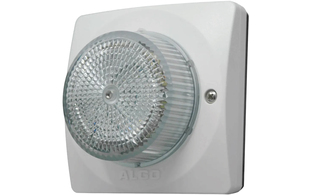
High-intensity visual alerting helps ensure emergency notifications are seen as well as heard, improving accessibility and awareness across busy public spaces.
Large venues often require more than simply broadcasting announcements.
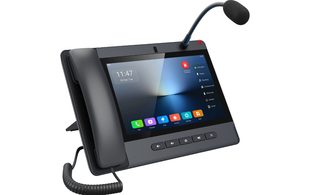
From a single operator console, security teams can monitor events, initiate emergency broadcasts, communicate with staff, view live video feeds and coordinate responses across multiple buildings or sites.
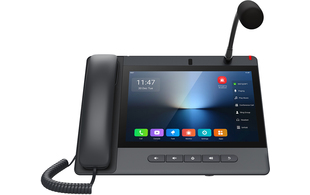
The Fanvil A330i Unified Dispatch Console provides a central communications platform that combines SIP paging and public addressing, intercom management, emergency broadcasting, live video monitoring, alarm management, remote device control, visual dispatch and incident coordination.
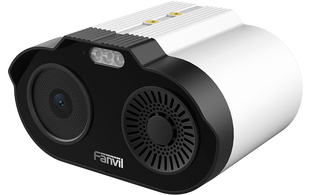
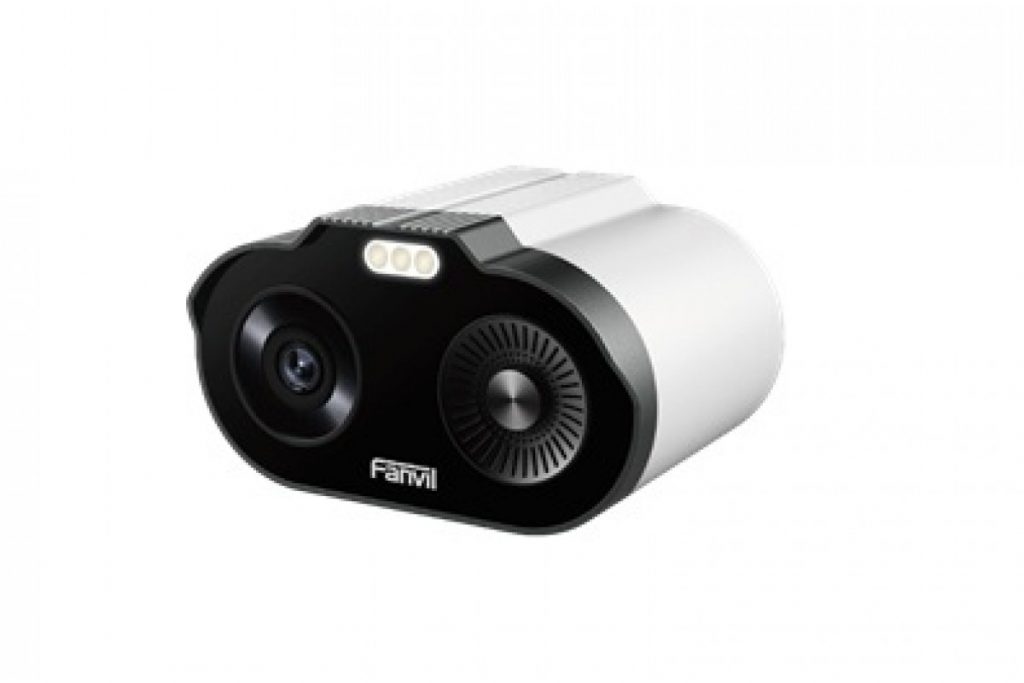
The Fanvil A513W Video Speaker is designed for environments requiring enhanced monitoring and rapid communication. Combining HD video, two-way SIP communication, emergency broadcasting and remote monitoring, it enables security teams to communicate directly with people at key locations while supporting wider incident management procedures.
The 2N IP Verso 2.0 can integrate with Milestone XProtect and other ONVIF-compatible Video Management Systems, allowing operators to combine visitor management, door entry and live video into a single operational workflow, improving situational awareness during both everyday operations and emergency incidents.
Prepare Before Enforcement Begins
The statutory guidance for Martyn’s Law has now been published, with enforcement expected in Spring 2027.
Now is the ideal time to prompt your customers to review their existing infrastructure and consider whether their communication, access control and incident management systems are capable of supporting the wider preparedness strategy.
Ask your customers:
✓ Can security coordinate across multiple buildings?
✓ Can you communicate with thousands immediately?
✓ Do your access and CCTV systems work together?
✓ Can emergency announcements reach all indoor and outdoor areas?
✓ Do operators have a single platform for managing communications during an incident?
If the answer to any of these is “not yet”, we can help.
How Can ProVu Help?
Our Technical and Sales Teams can work with you to identify solutions from 2N, Algo and Fanvil that will best support your wider Martyn’s Law preparedness strategy and integrate with your existing security infrastructure.
We can also help speed up your setup time through our pre-configuration services, meaning that all your hardware will arrive ready to plug-and-play straight away. One less headache for your customers’ teams. On top of this, we can also ship items in your own branded packaging so your customer knows it’s come from you, and we’ll be your behind-the-scenes wingmen.
Speak to our team today to discuss the right solution for your customers’ organisations. Please call 01484 840048 or email us. Pricing and stock information can be seen on our reseller portal, ProSys.
Algo devices come with a 3-year warranty as standard which starts on the date of dispatch. By registering Algo IP products with Algo, you can now also enjoy an additional 3 years of cover.
Who Can Register?
Registration can be done by the end customer or by an Authorised Algo Partner / integrator. They must have the end-user’s permission to act on their behalf.
What’s Needed for Registration?
You’ll need to provide:
your details
end user’s information
details for the relevant Algo IP device
Afterwards, Algo will provide a certificate confirming the expiration date.
Don’t miss the opportunity to extend your Algo IP devices’ guaranteed lifespan.
If you have any questions on this and would like our help, please call 01484 840048 or email contact@provu.co.uk. Pricing and stock information can be seen on our reseller portal, ProSys.
See the 5 reasons to pick TP-Link’s Omada Devices when upgrading your infrastructure
A Flexible Network That Delivers More
TP-Link Omada offers a powerful alternative to Ubiquiti UniFi, combining enterprise-grade features and simple deployment with competitive pricing and strong local partner support.
Why choose Omada?
Listed below are 5 reasons to choose Omada for your portfolio:
Assess your customers’ networks with Omada’s comprehensive cloud management platform, with no recurring licence fees for the free Omada Cloud Essentials Controller. For businesses with more advanced requirements, Omada Cloud Standard Controller provides a flexible, cost-effective device-based licensing model. While UniFi supports multi-site, Omada supports multi-tenant and multi-organisation setups, making it easier for MSPs and resellers to manage multiple customers and networks from a single platform.
Omada makes it easy to deploy and manage networks, with Zero-Touch Provisioning (ZTP) supported across all Omada Controller options – helping to reduce installation time.
From SMBs to multi-site deployments, Omada provides a scalable networking ecosystem covering gateways, switches, Wi-Fi and more, with Omada Central bringing your network infrastructure together in one platform. Omada also offers DSL/SoGEA gateways and built-in 4G/5G failover to help keep customers connected, even if their primary broadband is disconnected.
With stock held in the UK, TP-Link can help you access the products you need and fulfil projects faster. You’ll also have access to a dedicated UK technical team, ready to provide expert support when you need it. With a Limited Lifetime Warranty and 24/7 support by phone, email and chat, TP-Link helps reduce the RMA costs and exposure that can come with supporting customers.
TP-Link’s Partner Programme offers NFR opportunities, deal registration, project support and more. You’ll also benefit from dedicated pre- and post-sales support, technical training, free site surveys and design assistance. With products sold exclusively through the channel, you can protect your margins and have confidence that the deal you register is the deal you keep.
Delivering resilient connectivity to your customers doesn’t have to come at a premium. With anvil’s low-cost solution, your customers can access reliable, proactive backup connectivity without the need for expensive SIM-compatible routers.
anvil SIMs are backed by the vM2M platform, giving you complete visibility and control over every SIM from a single dashboard. With real-time usage data and centralised management, you can make informed decisions, simplify day-to-day operations and focus on delivering a better service to your customers.
It can be hard to know which devices have SIM compatibility so we’ve curated the perfect solution:
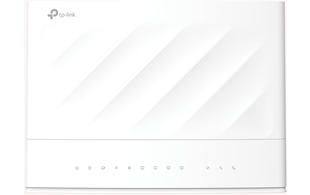
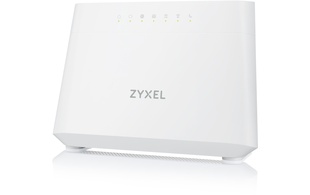
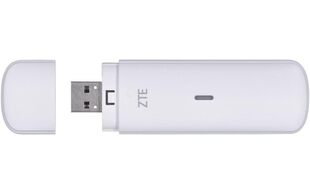
Pair TP-Link’s VX230v or Zyxel’s DX3301 with ZTE’s dongle and an anvil SIM to create a simple, cost-effective backup that helps your customers to stay online.
Your customers won’t need an expensive SIM-compatible router with these devices working together.
Remember to include the anvil SIM to your bundle for its IOT SIM platform for management, multi-network capabilities, quote and order more SIMs through the platform, gain real-time insights on your data usage and connectivity, as well as scale up your need for failover solutions.
Cost-effective alternative to dedicated SIM-enabled routers
Fast, straightforward deployment
Reliable failover for greater business continuity
Compatible with the VX220v and DX3301 using a ZTE dongle and anvil SIM
For new deployments and existing installations alike, anvil makes robust, resilient connectivity more accessible than ever.
Get the resilience your customers need without the high hardware costs.
How it works
Simply insert SIM into IoT device, configure APN name to fidelity.iot (no username or password required), then receive vM2M login details for vM2M within 24 hours.
What Happens Next?
Plug and Play Protection: SIMs arrive pre-installed and paired with routers for instant use
Failover That Works: If the primary line fails, the router auto-switches to mobile data
One SIM, Four Networks: Stay online with seamless access to EE, Vodafone, O2 and Three
Real-Time SIM Management: Gain full visibility through one dashboard. Access data usage, connection status and SIM performance across your entire estate
Deploy Anywhere: Ideal for remote sites, retail stores, warehouses, or new premises awaiting fixed-line installations
Businesses can’t afford to pause for internet outages. With failover, they can keep going.
Get in touch today to discuss your customers’ requirements. Call us on 01484 840048 or email contact@provu.co.uk to speak with a member of the team.
The ProVu Team
*Please note: anvil SIMs operate via a French data network. We recommend verifying your network routing and security policies before adding anvil as a failover connection to ensure compatibility. This may also affect access to certain UK-only platforms, such as some streaming services and .gov websites.
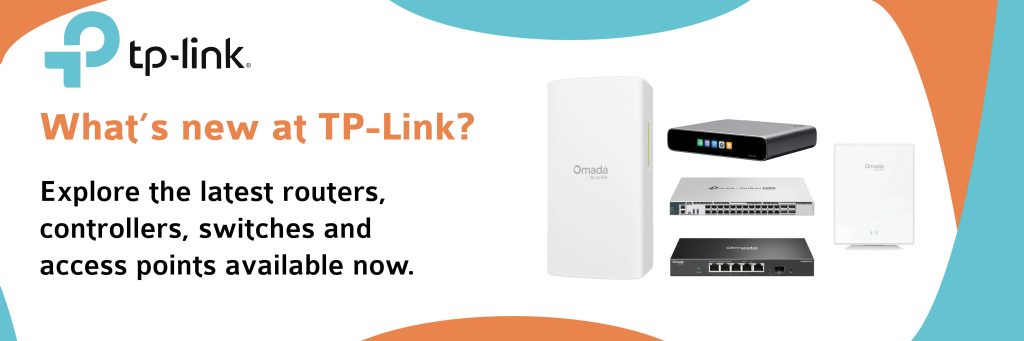
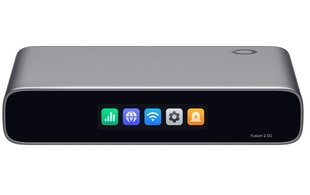
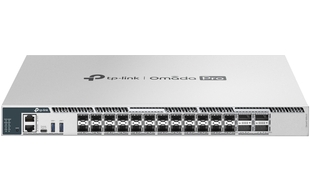
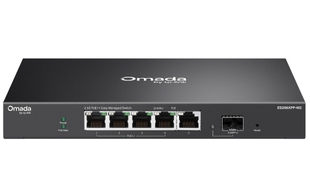
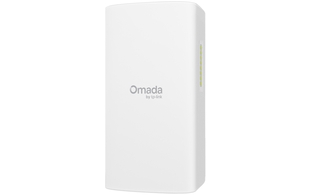
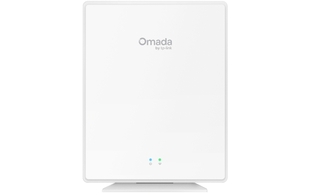
We have great news! The latest additions to the TP-Link business networking portfolio have arrived, bringing even more performance, flexibility and simplicity to your network.
Are your customers looking to:
upgrade core infrastructure?
deploy faster wireless connectivity? or
extend networks over long distances?
These new solutions are designed to help build smarter, more reliable business networks.
Across all deployments, Omada Cloud gives you centralised control. With no per-AP license fees or subscription lock in, you can control multiple sites/tenants from a single interface. Your outwardly-facing login screens can be branded at no extra cost, giving your customers a smooth and professional view of your organisation.
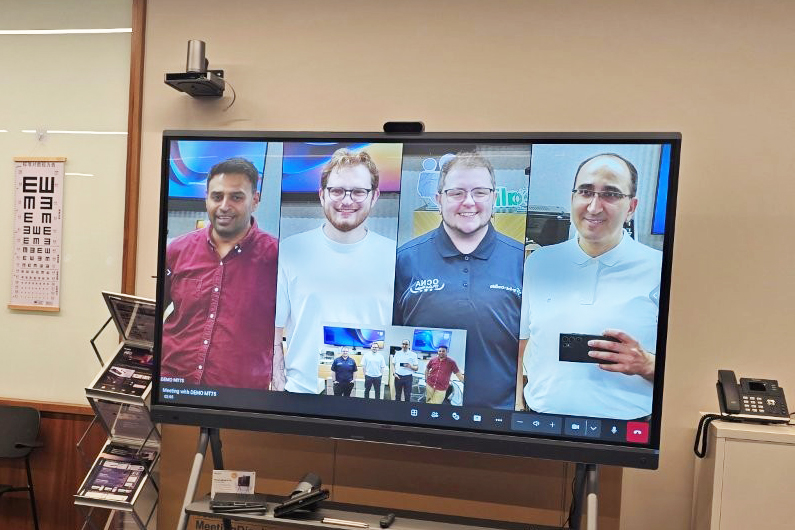
Recently our Sales Operations Manager, Joe Walberg, and Technical Sales Executive, Ren Kingdom, visited Yealink’s Experience Centre in Canary Wharf, London to gain a deeper understanding of Yealink’s latest AV solutions and collaboration technologies.
Despite facing a challenging commute during one of the hottest days of the year, with temperatures reaching 36°C in London, the visit proved to be an invaluable experience and well worth the journey.
During their visit, Joe and Ren met with Naji Kaanan, Business Development Director for Yealink AV Sales UK, along with one of Yealink’s Technical Presales Engineers. Together, they explored Yealink’s extensive portfolio of products and discussed the additional services that ProVu can offer partners alongside Yealink solutions, including installation services, advance replacement options, and extended warranties.
A key part of the day focused on how Yealink’s product range compares within the wider collaboration and AV market. One of Yealink’s strongest differentiators is its commitment to certification and interoperability. Many of its devices are certified for Microsoft Teams and Zoom, while also supporting a wide range of plug-and-play integrations. The team was particularly impressed by the fact that Yealink’s MeetingBar range is fully MDEP-ready, helping customers future-proof their meeting room VC solutions.
MDEP (Microsoft Device Ecosystem Platform) is Microsoft’s enterprise-grade Android-based operating system designed specifically for business collaboration devices. Many products within Yealink’s portfolio are Microsoft Teams Certified and built to support MDEP.
Being MDEP-ready means Yealink’s MeetingBars and collaboration devices are designed to integrate with Microsoft’s ecosystem, providing simplified deployment, enhanced security, ongoing software support, and a more consistent user experience. For organisations investing in meeting room technology, this helps ensure long-term compatibility and easier device management.
The main focus for Yealink and ProVu is how the customer might use something, and create the best possible environment for the end user. Rather than focusing solely on individual devices, Yealink demonstrated how carefully selected product combinations can improve meeting room productivity and usability. Ren and Joe saw first-hand how Yealink’s camera technology, touch controls, and meeting room displays work together to deliver a streamlined and intuitive meeting experience.
One standout example was the combination of the MTower intelligent camera and the CTP25 touchscreen control panel. The CTP25 is part of the MeetingBar A25, A40, and A50 bundles, allowing organisations to choose a solution that best matches the size and requirements of their meeting rooms.
One of the most valuable aspects of the visit was the opportunity to see the technology operating in a real-world environment and to gain hands-on experience with the devices. Being able to interact directly with the products provided a much clearer understanding of their capabilities, use cases, and deployment options.
After a busy day of demonstrations, discussions, and product exploration, the group rounded off the visit with a well-earned drink together while taking a break from the summer heat.
Reflecting on the experience, both Ren and Joe agreed that seeing the technology in action gave them a far greater appreciation of Yealink’s solutions and how they can benefit ProVu’s partners and their customers.
If you would like to learn more about Yealink’s collaboration solutions or discuss the products featured during the visit, please contact us on 01484 840048 and ask for Ren or Joe, or you can or email us.
Martyn’s Law is changing how organisations across the UK prepare for emergencies.
Martyn’s Law: The Standard Tier Requirements
If your customers’ premises can reasonably expect 200-799 people (including staff) on site at any one time, you are likely to fall within the Standard Tier requirements of the Terrorism (Protection of Premises) Act.
This applies to more organisations than many realise, including:
✓ Smaller schools & academies
✓ GP surgeries & healthcare hubs
✓ Dental practices & clinics
✓ Community centres
✓ Libraries
✓ Places of worship
✓ Museums & art galleries
✓ Small theatres & entertainment venues
✓ Leisure facilities
✓ Conference & event spaces
✓ Hotels
What Does This Mean For Your Customers?
Martyn’s Law is about ensuring your organisation has practical procedures in place to help protect staff and visitors should a terrorist incident occur.
Standard Tier premises are expected to have procedures covering:
✓ Evacuation
✓ Lockdown
✓ Moving people to safer areas
✓ Communicating quickly and clearly during an incident
The key word throughout the legislation is preparedness. Having the ability to communicate instantly across your site, control access to buildings and provide clear instructions can make a significant difference during an emergency.Tech That Supports Your Customers’ PreparednessWhile every site is different, reliable communication and access control are central to an effective response.
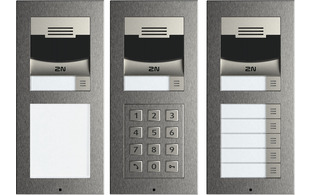
2N IP Verso 2.0 Modular IP Intercom Secure visitor communication with integrated access control. Ideal for staff entrances, reception areas and controlled access points where visitor verification is essential.
2N Force 2.0 Modular IP Intercom Built for exposed or high-risk entrances, it provides vandal-resistant communication for external doors, service entrances and delivery areas while integrating seamlessly with your wider security systems.
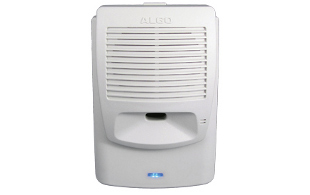
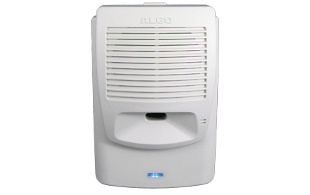
Algo 8180 SIP Audio Alerter Deliver clear audio announcements to specific areas or entire buildings, helping staff communicate evacuation or lockdown instructions immediately.
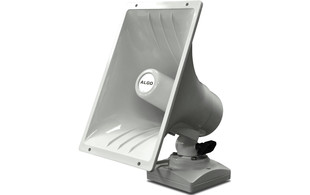
Algo 8186 SIP Horn Speaker Designed for outdoor use, providing powerful audible alerts across car parks, playgrounds, sports areas and external gathering spaces.
Algo 8138 SIP Visual Alerter Ensures critical alerts are seen too through high-visibility flashing. Ideal for noisy environments and to aid those with hearing impairments.
For organisations looking to coordinate emergency communications across multiple buildings or larger campuses, Fanvil offers powerful command and control solutions.
Fanvil A330i Unified Dispatch Console Through a single intuitive interface, authorised staff can monitor incidents, initiate emergency broadcasts, coordinate responses and manage communications across an entire site from one central location.
Fanvil A513W Video Speaker (coming soon) Designed for environments where visual communication and monitoring are important. It can be used as part of a wider emergency communication strategy, providing rapid communication with staff and visitors while integrating into unified SIP-based security and communication systems.
Enhance Your Customers’ Existing Infrastructure
One of the biggest misconceptions surrounding Martyn’s Law is that compliance requires replacing existing systems. In reality, many organisations can enhance their existing telephony, access control and paging infrastructure with IP-based technologies that integrate with their current network, allowing them to improve preparedness without unnecessary complexity.
Start Preparing Today
Although Martyn’s Law is not expected to come into force until 2027, now is the ideal time to review your site’s emergency communication strategy.
Ask your customers:
Could you communicate with everyone on site within seconds?
Can you quickly initiate a lockdown if required?
Are visitors and staff able to receive clear instructions wherever they are?
Do your entry systems support secure access and visitor verification?
Would your teams know exactly what to do during a major incident?
If the answer to any of these is “not yet”, now is the perfect opportunity to start planning.
Talk to our specialists today on 01484 840048 or email us to discuss how 2N, Algo and Fanvil solutions can help your organisation improve preparedness and support your Martyn’s Law planning.
Please note: The products featured can support an organisation’s emergency preparedness strategy but do not, on their own, constitute compliance with Martyn’s Law. Organisations should ensure they understand and meet all applicable legal requirements.
Helping Your Customers Choose their Campus Network
As schools, colleges, and universities continue to modernise their digital infrastructure, many are asking should they invest in Wi-Fi 7 technology today, or maximise value with a proven Wi-Fi 6 setup? With TP-Link Omada’s expanding portfolio, your customers have a wonderful amount of choice whichever path is taken.
Why Choose TP-Link Omada for Education?
TP-Link offers scalable devices that meet the demands of staff and students through:
Cloud-managed networking from a single platform
Secure and reliable guest access
Scalable solutions for properties of any size
Centralised monitoring and troubleshooting
Industry-leading value and performance
Keep reading to find out more about the best TP-Link devices for education installations:
By combining the EAP787 and the EAP773 Wi-Fi 7 access points with the SX3832MPP and the SX6632YF multi-gigabit switching, they deliver 6GHz connectivity, 10GbE uplinks, and exceptional performance for high-density spaces such as:
For schools and colleges seeking outstanding value, the EAP673 and the EAP653 Wi-Fi 6 access points paired with the SG3428XMP or the SG3452XP PoE switches provide reliable, high-performance connectivity for:
Many institutions are adopting a hybrid strategy, installing Wi-Fi 7 devices in high-performance areas while using Wi-Fi 6 hardware across classrooms, offices, and accommodation blocks. This could be an excellent and viable option for your customers.
Which TP-Link Access Points & Switches Will Best Suit A School / College / University?
We recommend the following based on your size or education tier:
Primary / Secondary / Boarding School (below 1K users)
The EAP653 and the SG3428XMP or the SG3452XP for ICT classrooms, libraries and the reception area.
School / College (1-5K users)
The EAP653 or the EAP673 with the SG3428XMP or the SG3452XP with Wi-Fi 7 devices in libraries, study halls, common rooms, ICT suites, and auditoriums.
College / University (5–50K+ users)
Wi-Fi 7 EAP773 and SX3832MPP in lecture theatres, research buildings, engineering, media production, student unions.
Wi-Fi 6 EAP653 or EAP673 in offices, classrooms, seminar suites, halls of residence, and reception.
Manage It All Through Omada Cloud
Across all deployments, Omada Cloud gives you centralised control. With no per-AP license fees or subscription lock in, you can control multiple sites/tenants from a single interface. Your outwardly-facing login screens can be branded at no extra cost, giving your customers a smooth and professional view of your organisation.